The unseen reality of stay-at-home motherhood — the identity shifts, invisible work, and quiet strength no one really talks about.
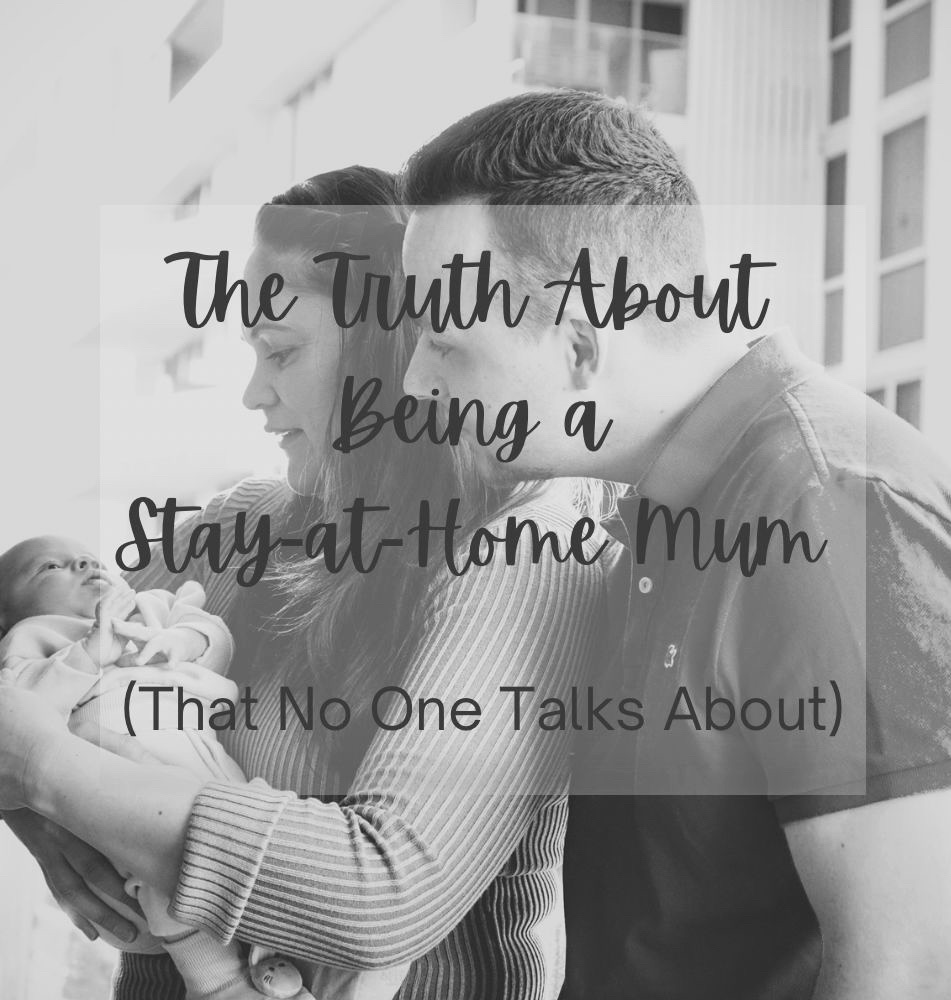
No one really talks about the emotional toll of stepping away from paid work to care for your family.
Not just the financial side — but the invisible one. The way your identity begins to loosen thread by thread, until you start questioning your worth in the silence of nap times, reheated coffees, and job applications that never get a reply.
Earning my own income wasn’t just about money. It was freedom. It was proof that I could stand on my own two feet, that I had control, that I mattered in ways the world could measure.
When I fell pregnant, I assumed I’d go back to work full time after 12 months. That was the plan. But as the days ticked closer, something inside me shifted. I didn’t want to trade these first five years — the milestones, the messy mornings, the little discoveries that somehow fill a whole day — for the office. So I made the decision to return part-time.
That choice didn’t align with my old workplace. And suddenly, I was out.
Explaining it to others was harder than I expected. The silence that followed my words told me more than any answer. Some judged. Some worried for me. And one person I trusted said flat-out:
“Four days isn’t that much. Why do you want to stay home so badly? You need your own income – What example are you setting for your son?”
It landed like a punch. Not because they were wrong, but because I had already been asking myself the same questions in the dark. You will fall behind in your job and in life. You’re too dependent on your partner. Some example you’re setting. What if he grows up thinking it’s okay for women to give up on their dreams and aspirations?
Their words didn’t plant those doubts — they just watered the ones already rooted deep inside me.
And when you’re already doubting yourself, even love feels heavier. Every silence, every well-meaning question from the person you share your life with starts to sound like: you’re not enough.
Our relationship shifted too — not in one big fight, but in a slow drift into logistics.
“Did you get milk?”
“Can you do drop-off tomorrow?”
“Another bill came in— and this one’s gone up.”
We weren’t dreaming together anymore — we were in survival mode. Not just at home, but under the weight of the outside cost of living too.
We used to talk about dreams. Now it was just survival. He carried the weight of being the provider. I carried the guilt of not contributing. So when he asked, gently, “Heard back from any jobs yet?” I knew it came from care. But what my tired, stretched heart heard was: you’re not doing enough.
The truth is — I didn’t even want to apply for just any positions. I had loved my last role, and I knew the kind of workplace I wanted to step back into: one that would see my value, but also respect my son coming first. The jobs that ticked those boxes were rare.
Some people might call it picky, or say I should be more reasonable. But I knew what I was after. I didn’t want to rush back just to sit in a role that drained me, clock-watching until pick-up, resenting both work and home. If I had the opportunity to hold out for something aligned — I wanted to take it.
I also knew how fortunate I was. Some of my friends had no choice but to return full-time, carrying the full weight of provision. Deep down, I didn’t want to waste the chance I had been given by leaping into a job that dulled me. I wanted to be intentional — even if it meant more no’s, more silence, more waiting.
Because beneath the doubt and the guilt, I held onto this quiet hope: the right workplace would come. One that didn’t make me choose between being a mum and being me.
But while I held onto that quiet hope, the outside world didn’t always understand. Because here’s the truth: the role of a stay-at-home mum has never been seen clearly. It has always been weighed down by assumptions and distorted by perception.
The Perception of a Stay-at-Home Mum
Why is it still so overlooked, even today?
Back then, those women knew there was more to us than producing and providing. They refused to be limited to the walls of a home. They fought for education, for independence, for the chance to step into spaces that had long shut us out. And slowly, they were heard. Women could study, work, vote, and shape the world beyond their front door.
But even as some doors opened, not all did. And even today, in parts of the world, women are still fighting for what should be fundamental: the right to learn, to work, to speak freely, to have choices. While progress has been made, the truth is that equality isn’t universal — and for many, it’s still a battle just to be seen.
And here, where those rights have been won, the pressures didn’t disappear. They multiplied. We were still expected to nurture, cook, clean, hold the family together — but now also to prove ourselves in careers that were built for men, by men. The invisible load never left us. It only grew heavier.
And workplaces still aren’t balanced. The gender pay gap is alive. The ladder is steeper. Promotions come slower. And hanging in the air, unspoken but always felt, is the question: Will she want kids? Will she be reliable? Can she keep up? Motherhood is seen as an inconvenience, a liability. Women are undervalued at work just as they are undervalued at home.
So here we are — decades later — caught in a bind. If you choose to stay home, you’re dismissed as unambitious, living the “easy life.” If you choose to work, you’re judged for being stretched too thin, for missing milestones, for letting someone else “raise your child.” Either way, you carry the guilt, the judgment, the never-ending expectation that you should be more.
And what’s overlooked in all of this is that staying home isn’t passive. It’s work — relentless work. It’s managing tantrums and schedules, surviving sleepless nights, keeping a family running, and holding yourself together. It doesn’t come with sick leave. It doesn’t come with a payslip. It doesn’t come with recognition.
It’s time this conversation shifted. Because whether a mother stays home or goes back to work, both paths require sacrifice. Both are demanding. Both are heavy. Both deserve respect.
“Staying at home isn’t passive. It’s relentless, unseen work — and it deserves respect.”
But here’s the cruel irony: even after carrying all of that weight, stay-at-home mums are still expected to make it look effortless. A spotless house. Play dates. Matching outfits. Organised pantries. Clean hair. Because “What else do you do all day?”
Let me tell you: I try to hold myself together. That’s what I do. Some days I don’t even shower. The house is chaos because my child is discovering the world. The laundry piles higher because my adventurous toddler won’t let me out of reach — or out of sight.
Motherhood is relentless, unpaid, and unseen — and we still question our worth because there’s no payslip at the end of the week.
And in the middle of all that invisibility, it’s easy to feel like you’re the only one. To question if anyone else feels the same pull, the same exhaustion, the same quiet ache. Which is why I want to pause here and say…
A Quiet Note to Every Stay-at-Home Mum
This season is layered. It’s full of contradictions. You can love your child deeply and still grieve the parts of yourself that feel paused or forgotten. You can choose to stay home and still long for more. You can feel grateful and still feel gutted. That doesn’t make you ungrateful — it makes you human.
There’s no roadmap for this. No perfect timeline. But here’s the truth: your value never left you. Even if the world doesn’t applaud this version of you, even if your CV has a gap, even if your partner carries the financial weight — you are doing the most valuable work there is.
Like roots growing quietly beneath the surface, you are becoming a new version of yourself. Motherhood changes you — but just like those roots, you are stretching deeper, stronger, unseen at first. And as those roots hold steady, your branches are reaching outward. Slowly, new leaves will come.
You are also your child’s first teacher. You are showing them how to grow into themselves, how to love, how to face the world with strength and compassion. And when people doubt your choices, remember this: you are raising the next generation — the very ones who will shape and change the world.
And if you ever feel unsure, just look at your child. That in itself is the evidence that you are making the right decisions for you, and for your family.
It’s not instant. It’s not effortless. But just as trees take time to bloom, so does this season. The foundation is being built beneath the surface, and one day it will be clear: you are stronger, steadier, and blooming in your own time.
💬 Let’s Talk
Do you ever feel the invisible weight of being a stay-at-home mum? How has it shaped your identity, your relationship, or the way you see yourself? Share your thoughts in the comments — I’d love to hear your story too.

 Her Honest Space
Leave a comment